



from filed to table

 (+373) 699 611 88
 ionextrans@gmail.com

from filed to table

from filed to table
from filed to table

Completează detaliile de mai jos, iar noi vom confirma întâlnirea pentru a discuta ofertele și oportunitățile de colaborare în export.
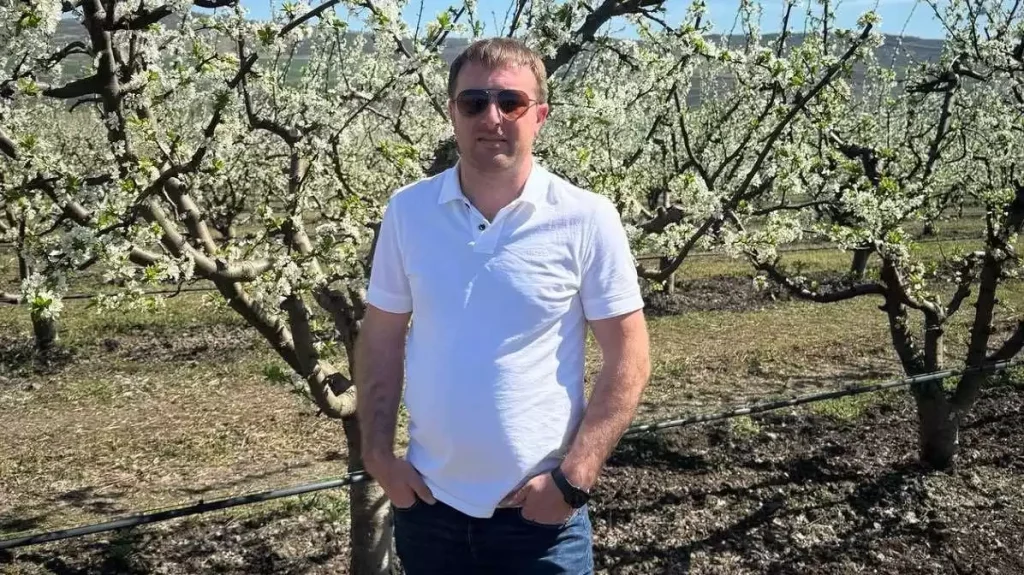
Ion Ionaș from Costești, Ialoveni District, runs a family business founded by his parent in 1995. His company is a key player in the fruit and table grape market, supplying the European Union and serving a diversified client portfolio. Through investments in infrastructure, storage facilities, and sorting lines, Ion Ionaș meets the requirements of major retail chains such as Lidl and Edeka and focuses on developing market-tailored packaging solutions.
“I run a family business founded by my father in 1995. Initially, our activity focused on purchasing and trading, but in 2007 we transitioned to our own production. Between 2008 and 2009, we began acquiring land and started our first plantings, choosing plum and cherry crops. We started with 20 hectares, then planted another 14, then another 5, and so on. At this point, we have reached 92 hectares. Last year, we cleared 30 hectares, and this year we are replanting those areas. We aim for at least 40% of our exported volumes to come from our own plantations. This is our journey—from the first initiatives to the tangible goals we see today,” says Ion Ionaș.
Currently, the activity is primarily focused on plum cultivation, although a small area remains dedicated to apricots and Moldova grape varieties. Of the more than 92 hectares of land, the majority is allocated to plums, after gradually moving away from apricots and cherries to specialize in plum and grape production, writes Modernbuyer.
“The largest share of our plum production comes from the Stanley variety, complemented by cultivars such as Top Hit, Top Taste, Blue Free, Impresso, President și Petisteanwhich allows us to harvest in stages, ensuring optimal firmness and color. This year, we recorded a harvest of 2,000 tons from our own production, of which approximately 1,400 tons were plums, with the remainder consisting of grapes, apricots, and cherries.”
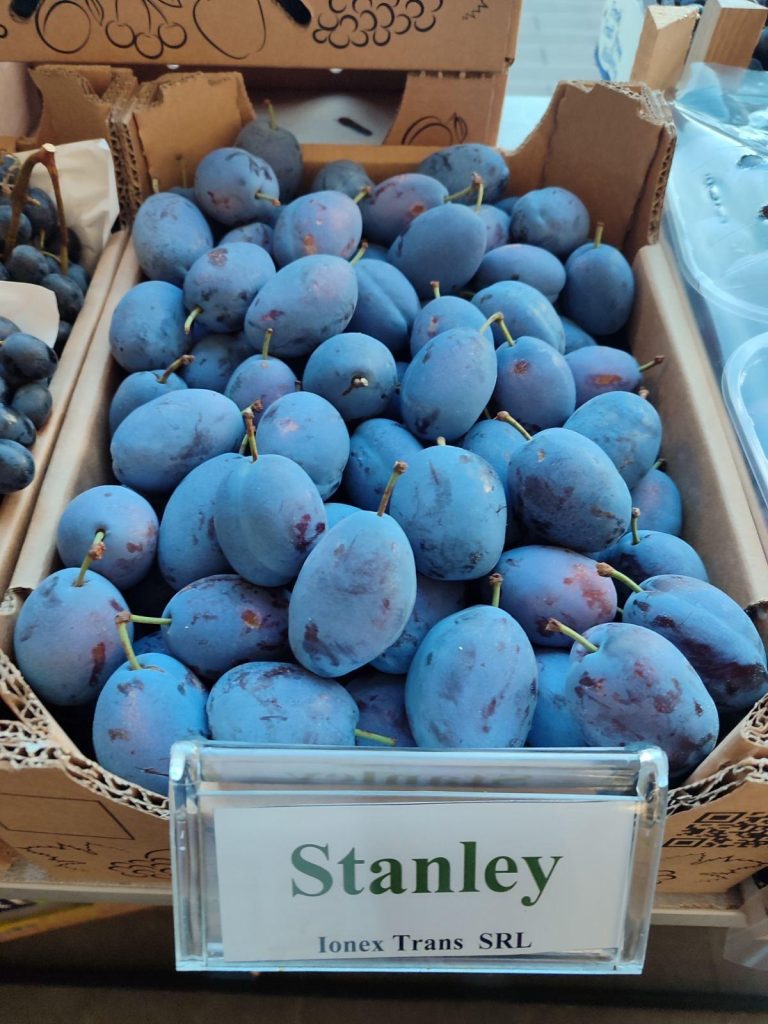
The business began as a sales-focused operation and gradually evolved through the development of storage facilities and plantations. The most significant transformations took place between 2013 and 2015, when the company ended its cooperation with the Russian Federation and strategically shifted toward the European Union market, adapting its sales model to meet the requirements of this new environment.
“We began expanding our presence on the Romanian market, initially working for several years with the Afumați wholesale market. Later, we established a partnership with Auchan, which allowed us to steadily grow both sales and volumes, as well as the quality of the products we offer. At present, I can state with confidence that 98% of our own production is sold exclusively on the European Union market, in countries such as Romania, Poland, Germany, Austria, France, the Netherlands, the United Kingdom, and Sweden. These are the countries with which we collaborate most intensively.”
“Our success is due to consistent promotion and active participation in industry trade fairs starting in 2015, the year we decided to implement significant changes. Through annual attendance at fruit sales events, we have strengthened our market position and developed a diversified client portfolio. We offer products tailored to different requirements—from a wide range of packaging options to distinct quality categories: premium, medium, and economy.”
“Today, I can state with certainty that we are fully prepared to collaborate professionally and without reservations with any retail chain for the marketing of fruit.”
Investments made in packaging lines and the cold storage facility
The largest investments were made between 2016 and 2017, after which they were paused and later resumed in 2019. Since then and up to the present, approximately two million euros have been invested in expanding plantations, acquiring sorting lines and equipment for the sorting hall, and modernizing the cold storage facility, which has a capacity of 1,800–2,000 tons depending on the type of fruit. These investments are essential to ensure a high-quality product that reaches store shelves in optimal condition.
The total value of the investments was primarily supported through own resources, but also benefited significantly from state subsidies, as well as grants provided by USAID. In addition, the company participated in a European project to establish a cooperative and a large cold storage facility, in which it holds a stake, partially financed by European funds.
“For the sorting lines, we received support of over 70% from the USAID Agriculture Performance in Moldova Project (USAID/APM) during 2019–2020. Given the specific nature of the agricultural sector, we continue to seek external financing sources, as it is difficult to make major investments solely from own funds, and profitability is not always sufficient to fully cover the costs,” states Ion Ionaș.
Quality standards implemented to ensure compliance with the requirements of the Romanian market
“Starting in 2016, we obtained the GlobalG.A.P. and GRASP certifications, followed by SMETA, and we are currently implementing the IFS standard. All these certifications have been achieved in line with our clients’ requirements.”
“If another certification is required to meet market demands, we implement it without hesitation. We constantly strive to achieve the highest quality standards. Thus, considering that 98% of our products are already destined for European Union markets, our current objective is for 98% of our fruit to be sold directly through retail chains.”
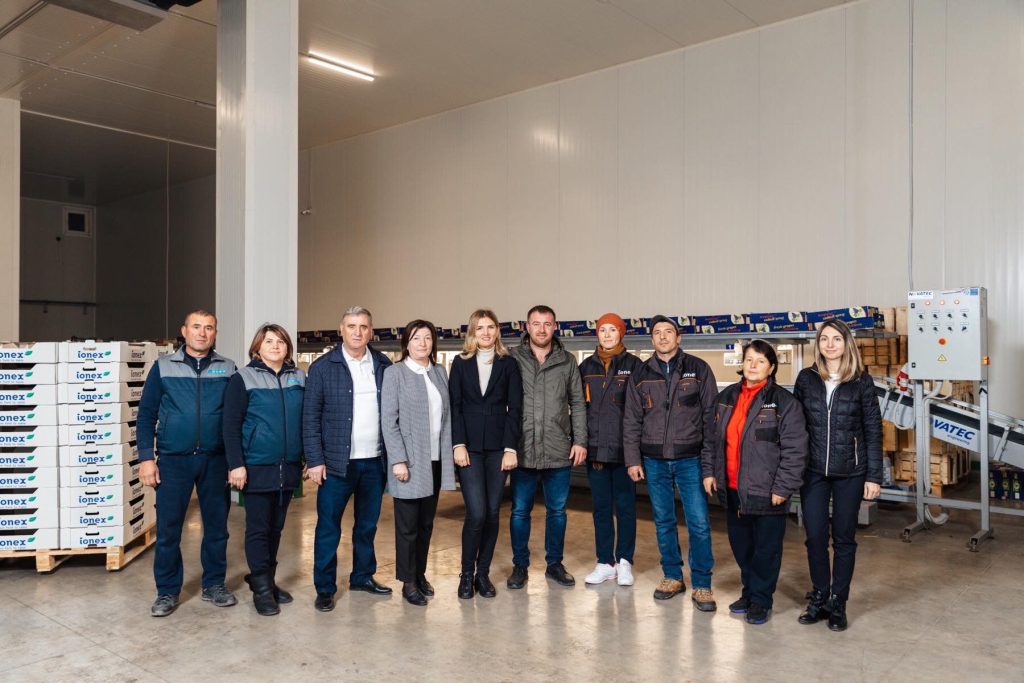
Collaborations with retail chains such as Lidl and Auchan
“We had a successful collaboration with Auchan Romania for four years. After a change in management, deliveries were discontinued. This year, we delivered our first truck of apricots to Lidl Romania, and we hope to continue this collaboration in 2025. Currently, we work directly with major retail chains such as Lidl Germany, Lidl Poland, and Edeka, expanding our presence across the European Union. We also collaborate with intermediaries and distributors—a model that has enabled steady growth. However, our objective remains to strengthen direct partnerships with retail chains,” he adds.
Starting in 2014, he has consistently participated in industry trade fairs, making small deliveries to various markets. He invested heavily in promoting his products at these events, which significantly contributed to diversifying sales markets.
“In the first four years, we faced difficulties and made mistakes in every attempt at collaboration. It was a challenging period, as Moldovan products were not well known on foreign markets. Nevertheless, I managed to be the first to introduce Moldovan grapes to the German market and later to the UK market, as well as Moldovan apples to Germany.”
“When someone asked me in 2019, surprised that we had managed to deliver apples to Germany, I answered yes—but only after a considerable effort. Our success was due to close cooperation with a distributor with whom we grew together. Both they and we started from scratch, and through constant communication we managed to meet market requirements. The distributor worked with a broad network of partners, which gave us the opportunity to place our products in various stores, thereby increasing the visibility of our fruit.”
“We paid great attention to correct product labeling and invested in packaging that clearly promoted the fact that the fruit comes from the Republic of Moldova. This was an essential strategy in opening up the European Union market—not only Romania, but the entire European space. In the early stages, even the Romanian market was challenging, and our history is full of obstacles. I could write an entire book about how rewarding yet difficult it was to take new steps,” the producer adds.
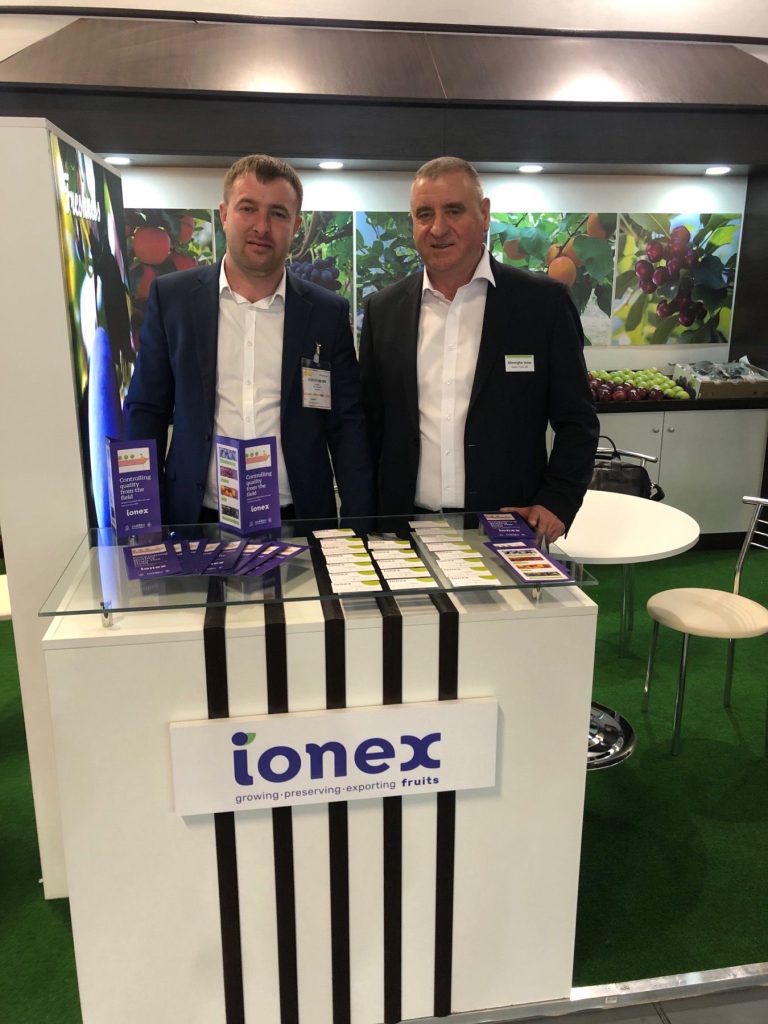
Initially, he exported fruit only in bulk, but starting in 2016 he began carefully packaging it in trays and punnets, adopting various promotional methods.
“Today, we are fully prepared to meet any customer requirement by offering a wide range of packaging options. Our flexibility in this area is supported by top suppliers across the European Union, enabling us to meet market demands at the highest standards. For 2025, we are already working on developing a new way of packaging plums, given that they are our core products. Designers and packaging specialists are collaborating to create a solution, in partnership with Lidl Germany, to meet the demands of modern consumers,” states Ion Ionaș.
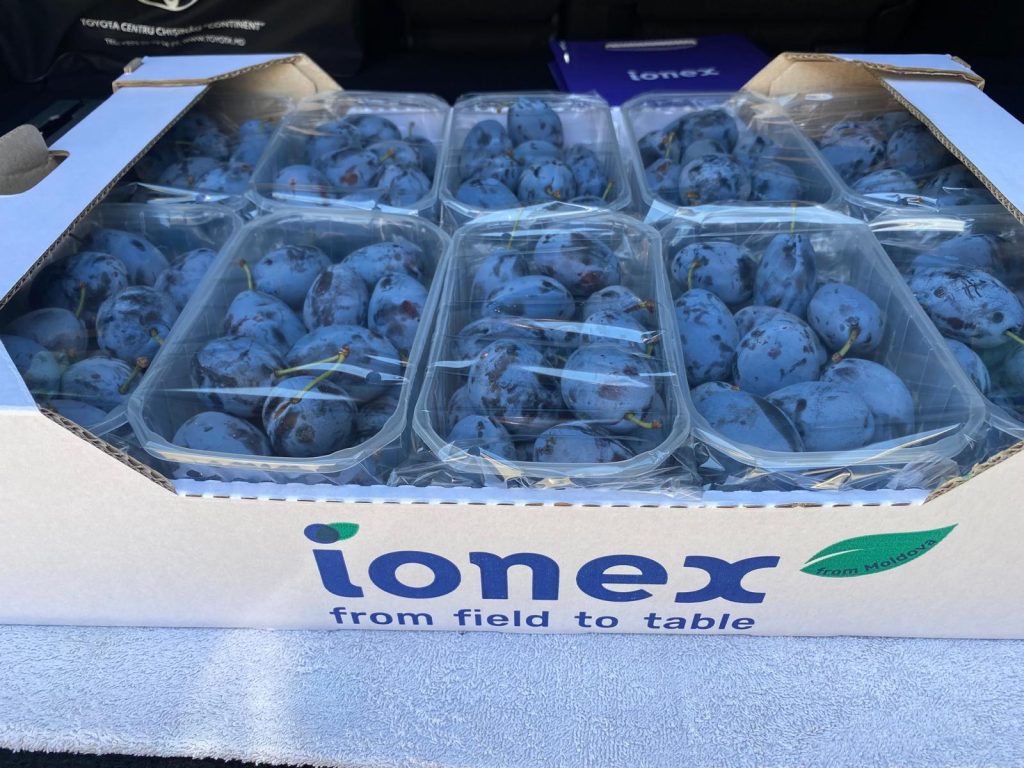
Currently, he delivers approximately 300 truckloads per year, but the existing infrastructure does not allow him to exceed this volume. To expand delivery capacity and serve more markets, further development of the current infrastructure is required. Among his priorities are expanding the sorting hall, increasing cold storage capacity, and adding a new sorting line.
“At the moment, we deliver two to three trucks per day, but this volume is insufficient. To meet the demands of foreign markets, our goal is to reach at least five trucks delivered daily. This would also require diversifying packaging options to meet different customer requirements, whether trays, punnets, bags, or cardboard and plastic crates. Expanding the sorting hall capacity is essential to support this growth. These investments, exceeding €2 million, will be financed largely from our own funds, with additional contributions from subsidies and grants. Although work on the investment project has already begun, I estimate that external funding from various programs, including state subsidies, will not exceed €200,000. Therefore, own resources will represent the largest share—probably over 60%—with the remainder coming from external financing sources,” the entrepreneur states.
He believes that the most important factor in the fruit industry, in order to become well known, is to have a high-quality product—not just in the short term, but consistently over time.
“For example, plums are harvested in mid-August, but you must maintain the same quality until the end of the season, through the end of December. You need exceptional quality from start to finish. This is the best form of promotion, and I’ll explain why. Any buyer or retail chain relies on stability and steady sales growth, which is only possible through the continuous delivery of quality products. When a supplier ensures consistent quality, questions arise naturally: ‘How does Lidl manage to sell plums of exceptional quality even in December?’ This type of promotion is indirect but extremely effective, and in our case it is supported by international certifications such as GlobalG.A.P., which give you access to retail chains.”
“The GGN number (origin and traceability details) becomes a symbol of quality, significantly contributing to business growth. The work invested in building a strong reputation—by consistently supplying a stable and reliable product—is another important promotional factor. Investments in participation at trade fairs help expand the client network. In 2024, the company attracted four new clients through recommendations, a clear sign of the success of this quality- and stability-based approach,” Ion Ionaș emphasizes.


 (+373) 699 611 88
 ionextrans@gmail.com